
Target Audience and Targeted Advertising

Today we’ve put together a useful article on how to identify your target audience for paid social advertising. In this article we’ll show how to find your target audience for Facebook targeting, though you can apply this knowledge to other traffic sources as well. For targeted advertising, the most important thing is to accurately define your target audience. The more precisely you define it, the better your campaign results will be. This article is useful for both media buyers and marketers or targeting specialists.
Try to describe your ideal buyer as precisely as possible. Your website analytics can help with this, as can social media data. You can also use specialized audience research tools such as TargetHunter, Cerebro, Segmento Target, and Pepper.ninja — these are paid services, but they offer trial access so you can test them out. We also recommend choosing an affiliate partner to work with — we’ll be working with shakes.pro, a product affiliate program. Inside their dashboard you’ll find a large number of bonuses, including discounts and free trial extensions for all the tools mentioned above.
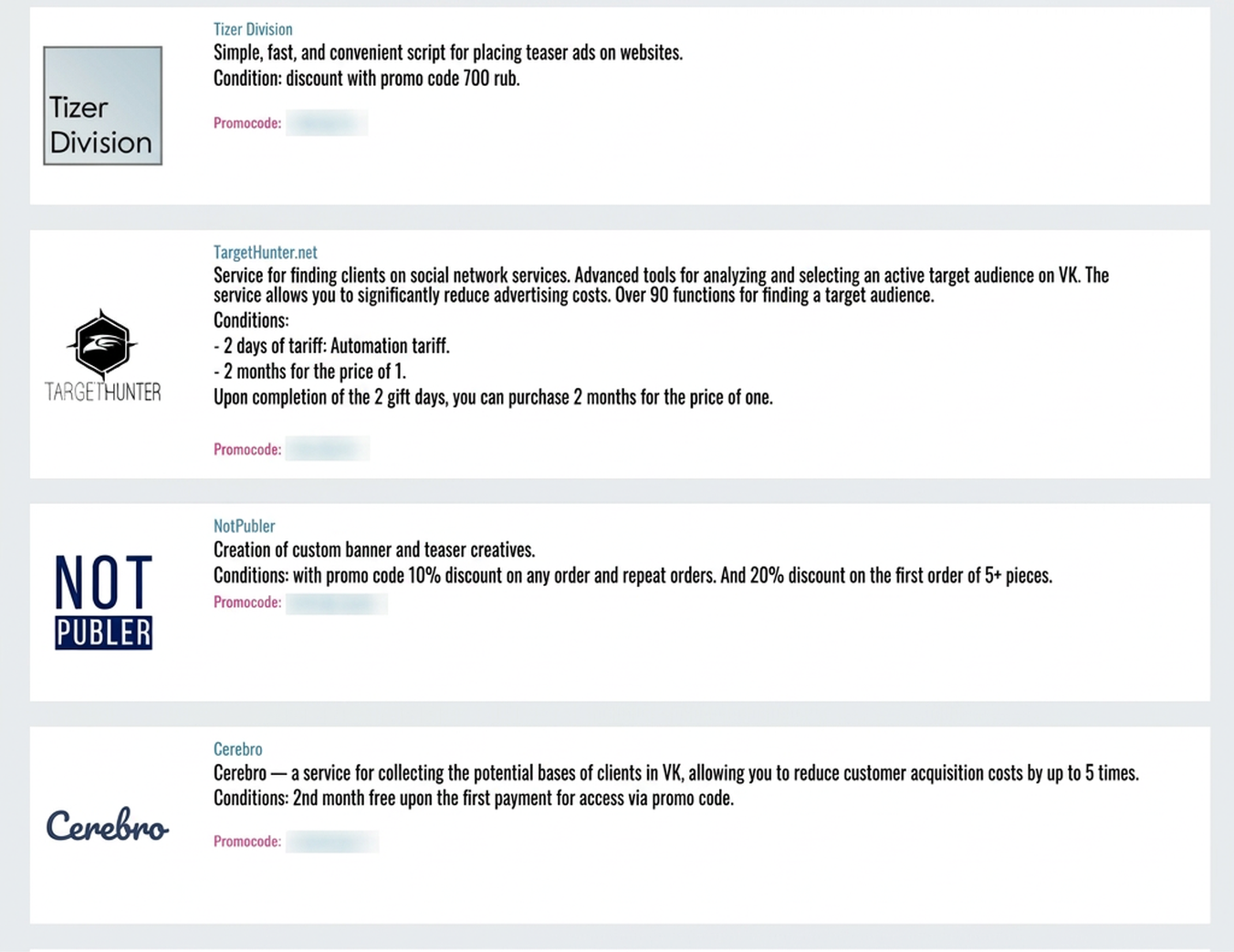
If you’re working with an affiliate program, you can always ask your personal manager about the target audience for any specific offer — the support team at any affiliate program always has this information on hand.
Target Audience Checklist:

Location. Clearly define which regions you’re targeting. If you’re an affiliate, get this information from the affiliate program. But even if your offer is available in all regions, it’s better not to restrict geo-targeting too aggressively. Ad copy that mentions the user’s specific location tends to perform significantly better. Create separate campaigns or ads for different regions — this is especially important for smaller cities, where residents often ignore ads because they assume there’s no delivery in their area or that wait times are too long. Facebook also offers targeting by city district and even street.
User Gender. Add demographic settings on top of your location targeting — these are equally important. It’s best to create separate ads for men and women, especially when the offer itself is fundamentally different for each (dating sites, clothing stores, niche content pages, etc.)
User Age. Define your buyers’ age range. We recommend running separate campaigns for different age brackets — for example, 20–23, 24–27, 28–31, and so on. This makes it much easier to track performance and optimize your ads.
Community Membership. On top of your geo, gender, and age targeting, we recommend adding community/group membership as a signal. These can include:
- communities of fans of the brand you represent;
- topical communities (e.g., early childhood development groups, if your product targets mothers or young children);
- professional communities;
- groups belonging to competing companies and brands, and others.
Interests. You can also define your customers’ interest categories and include them in your targeting settings. Facebook offers dozens of interest categories.
- Identify which interest categories could theoretically work for your audience;
- Analyze the audience size for each potential interest category and determine whether you need to break it into sub-segments;
- Start testing each interest category separately;
- Disable underperforming interest categories and double down on the effective ones. Re-test periodically, since category performance can change over time with platform updates.
Conclusion:
Defining your target audience is actually quite straightforward — you can follow the steps in this article and we hope it helps. There are also plenty of audience research tools available, and you can leverage your own website or social media analytics. If you’re an affiliate, your program’s personal managers can always provide this information — the team at shakes.pro is always ready to help and give you the data you need.






Discussion
0